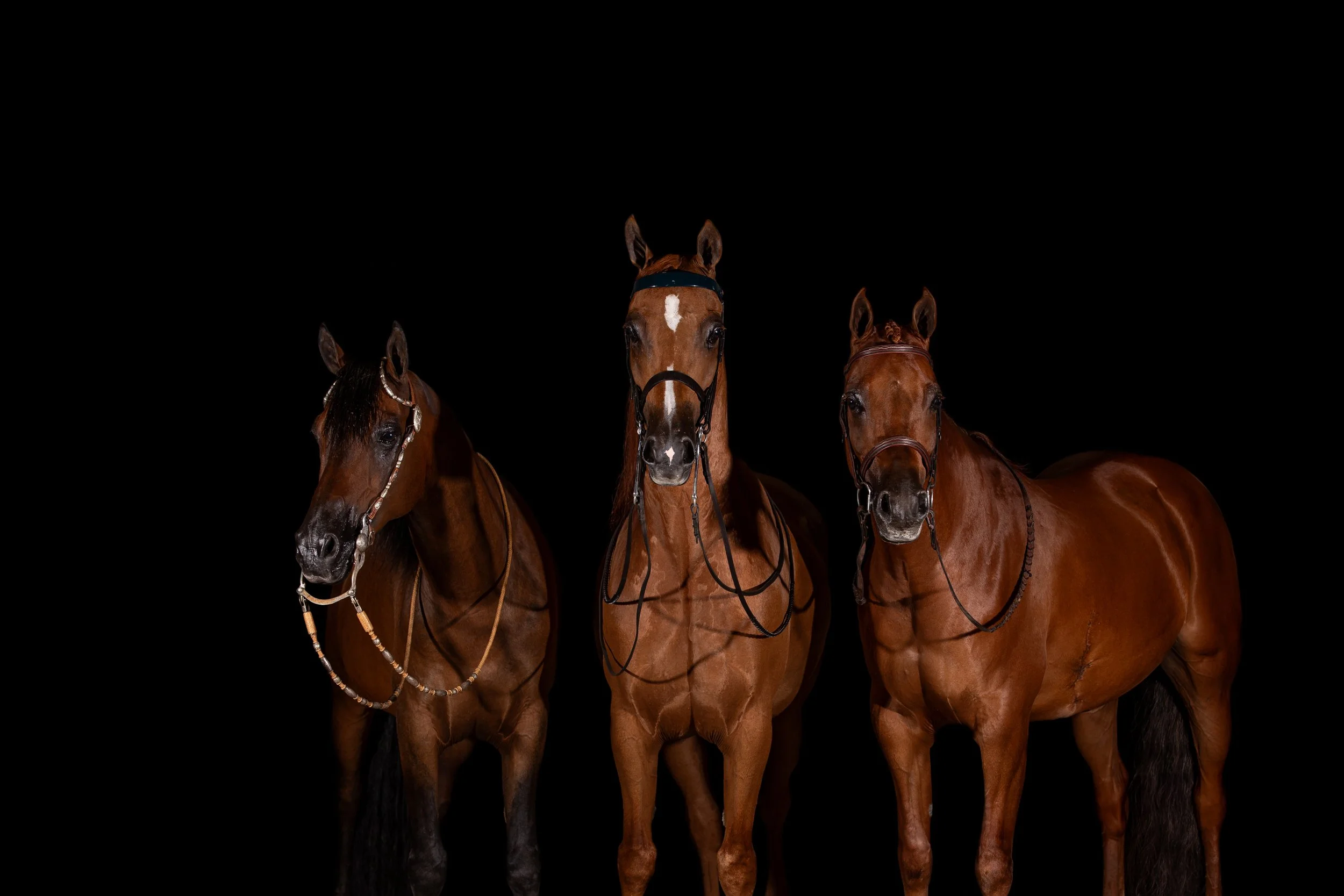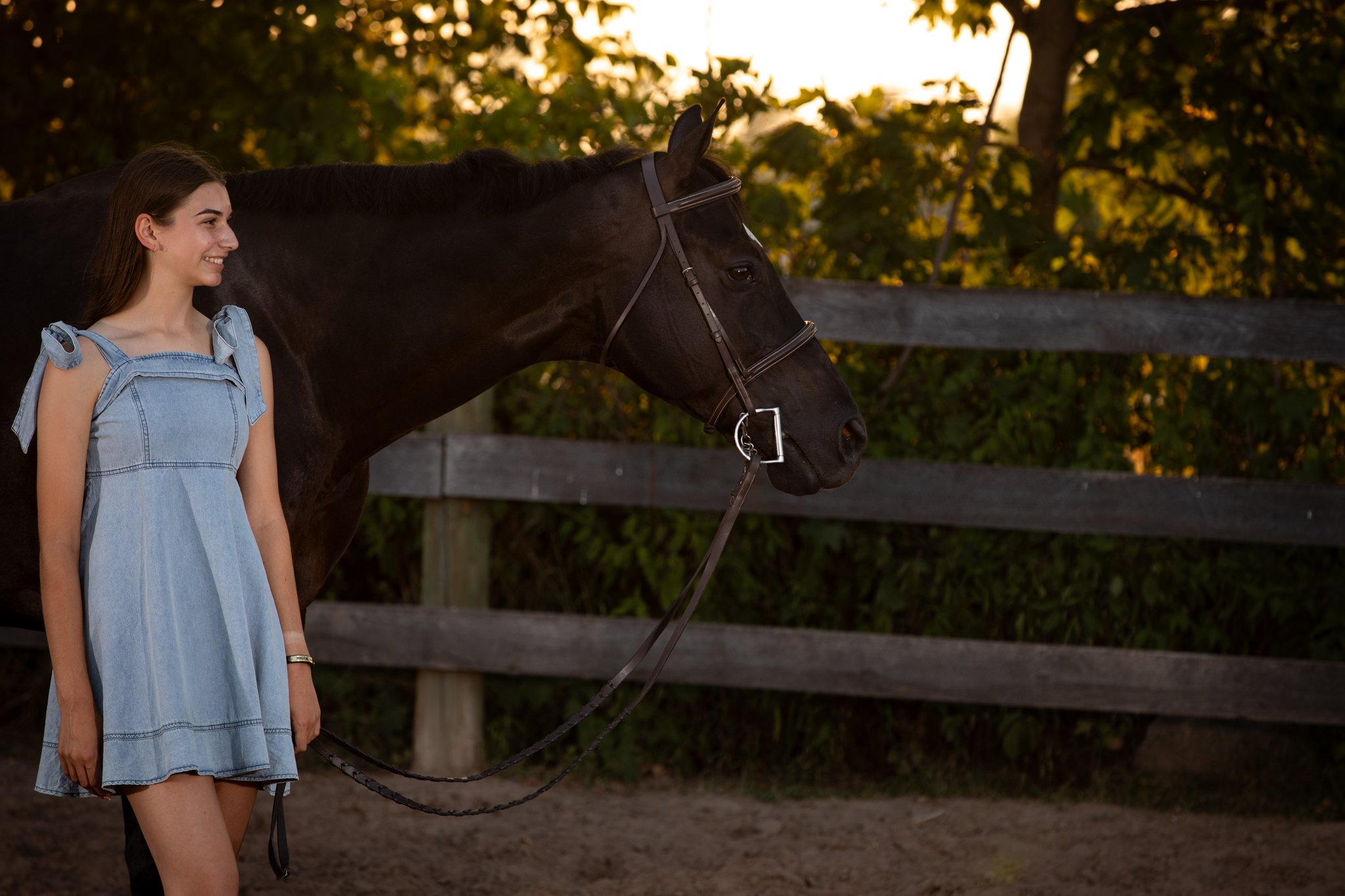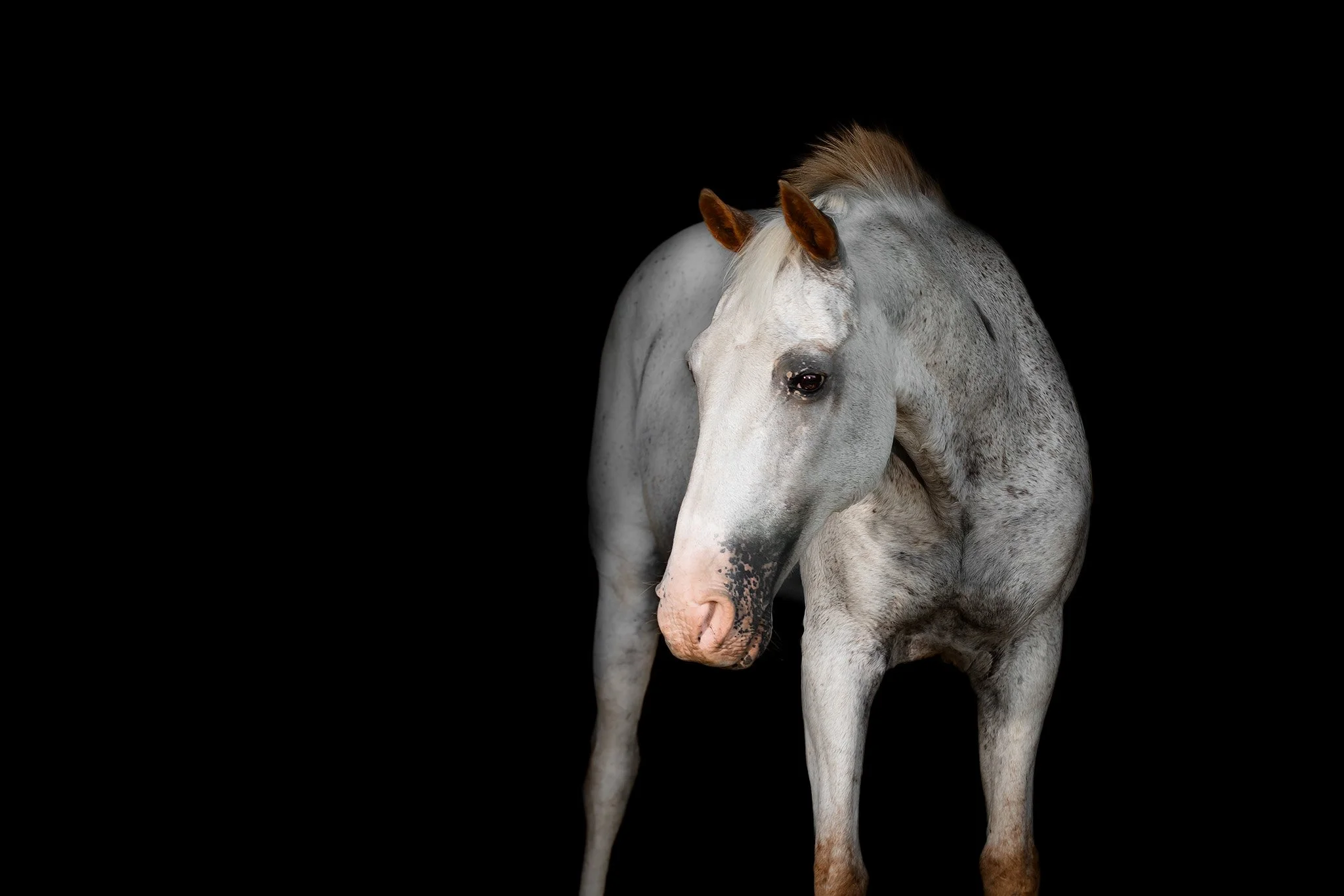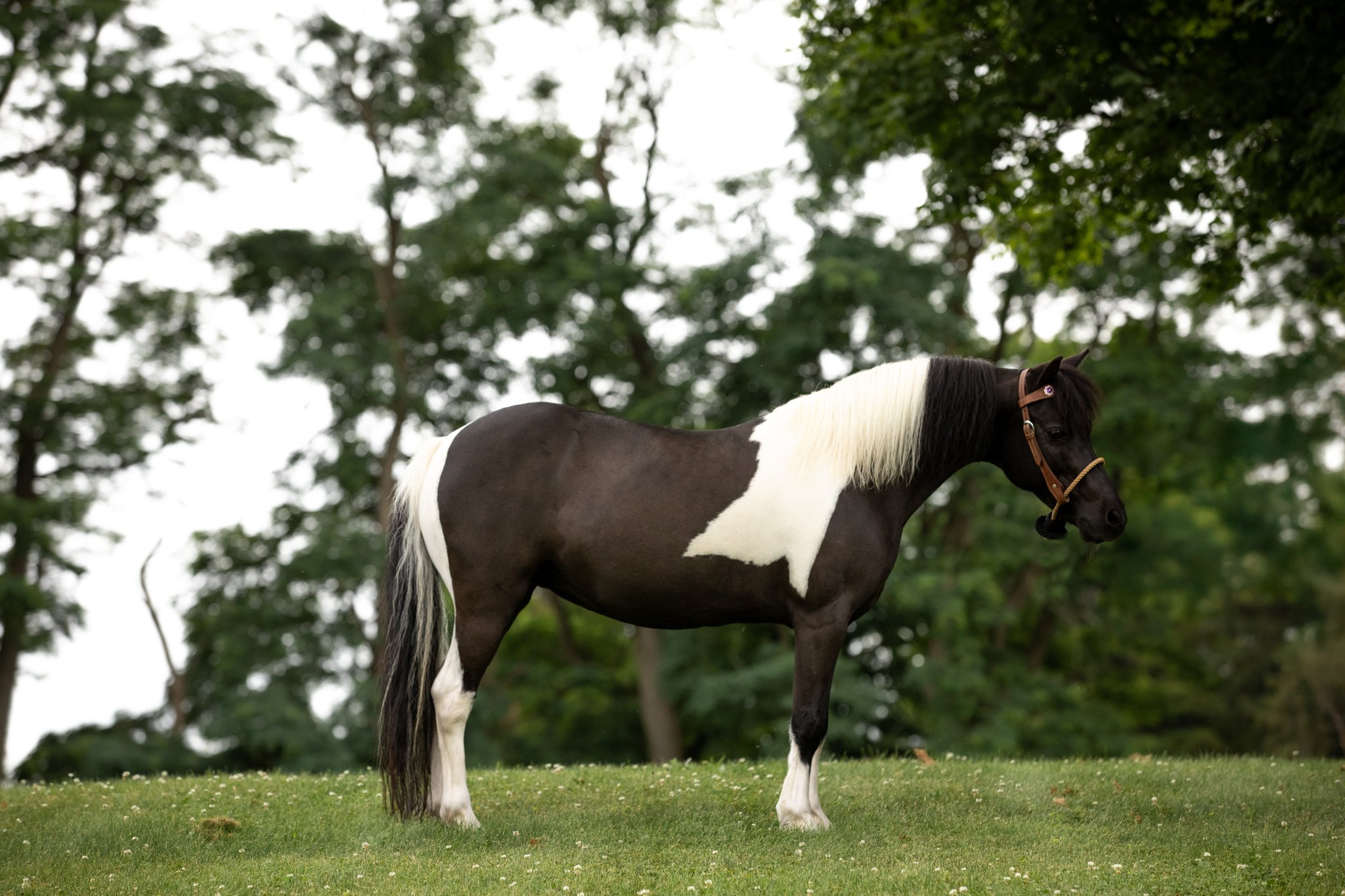
The Secret to Getting Your Horse’s Ears Forward in Portraits
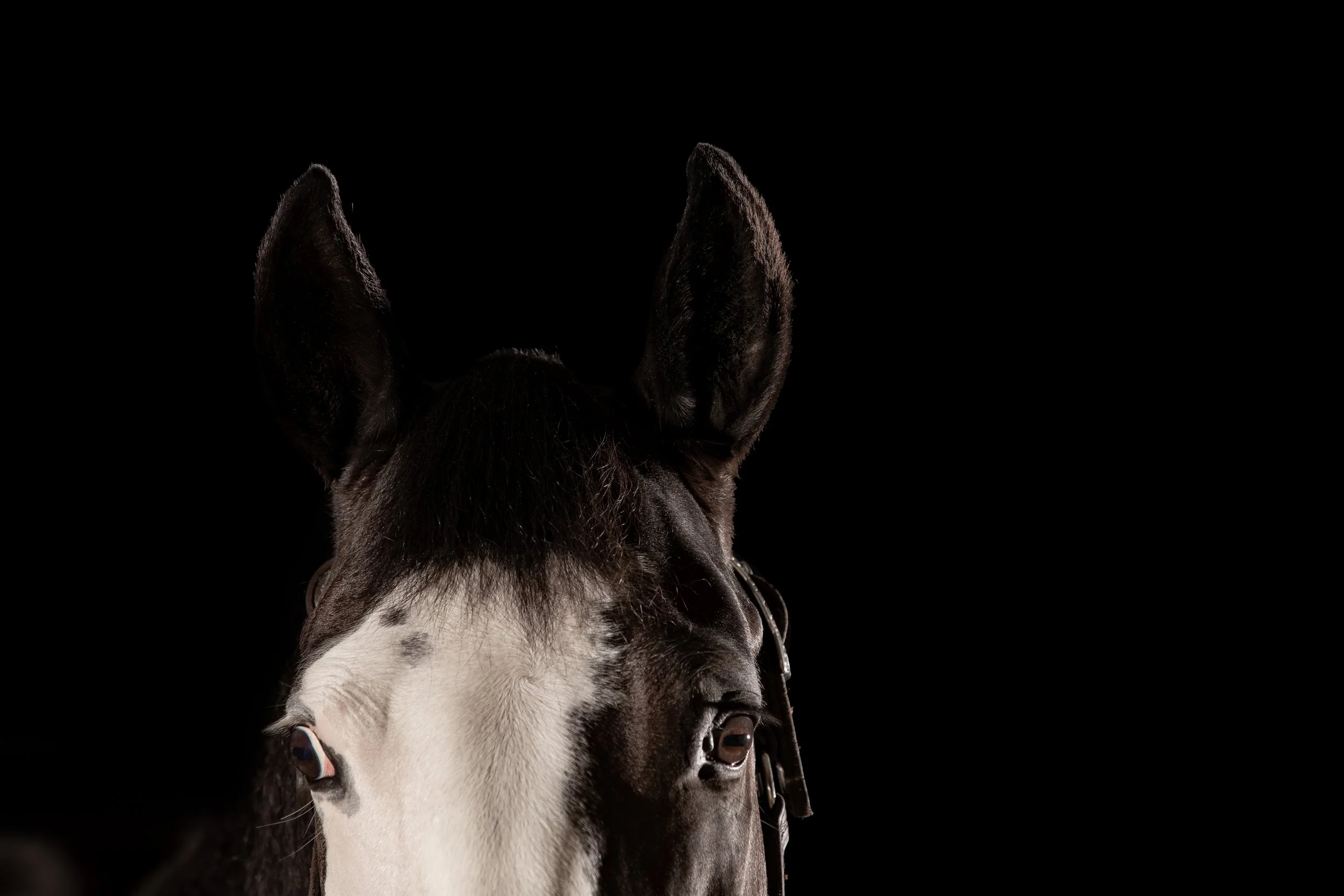
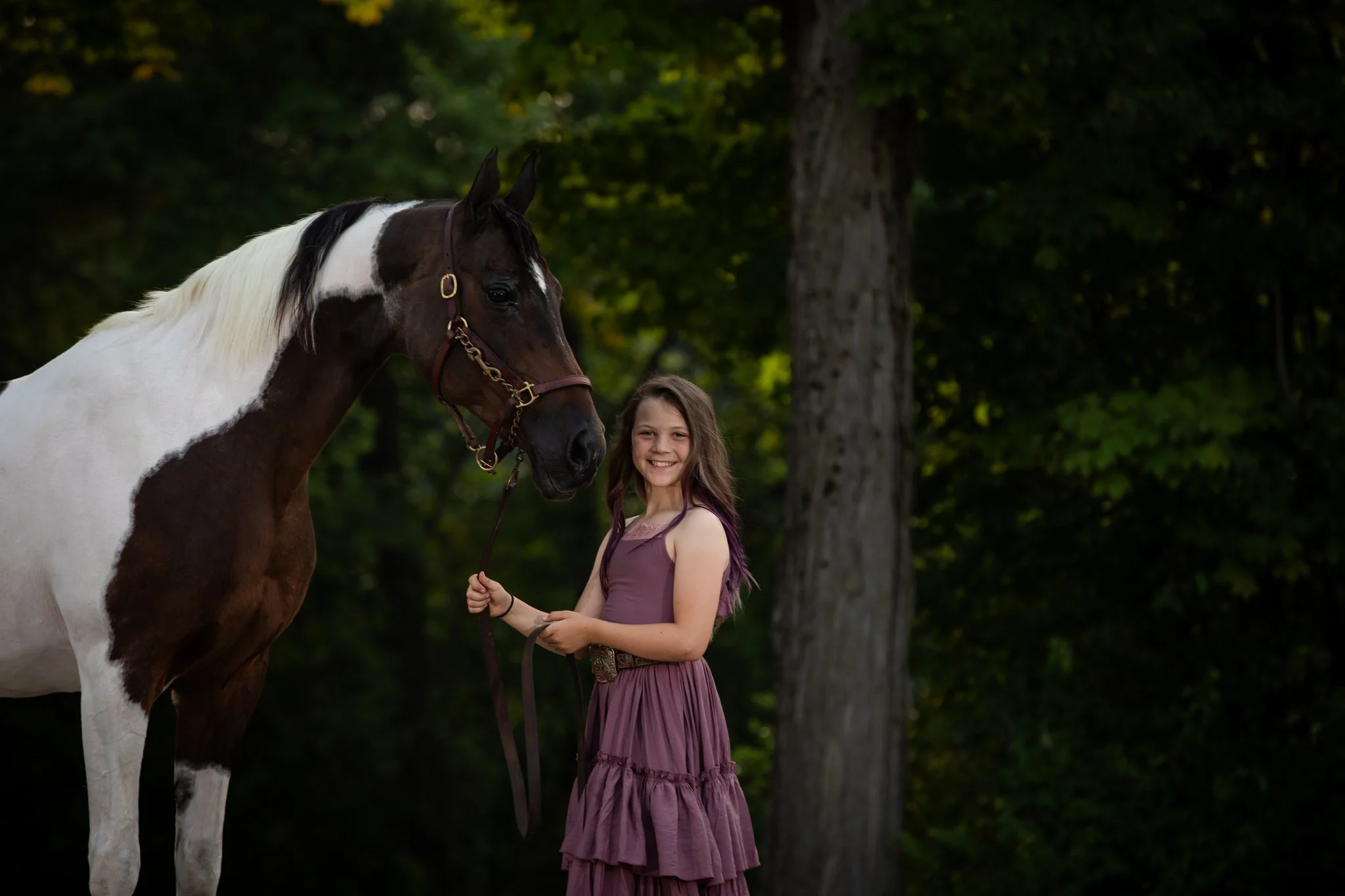
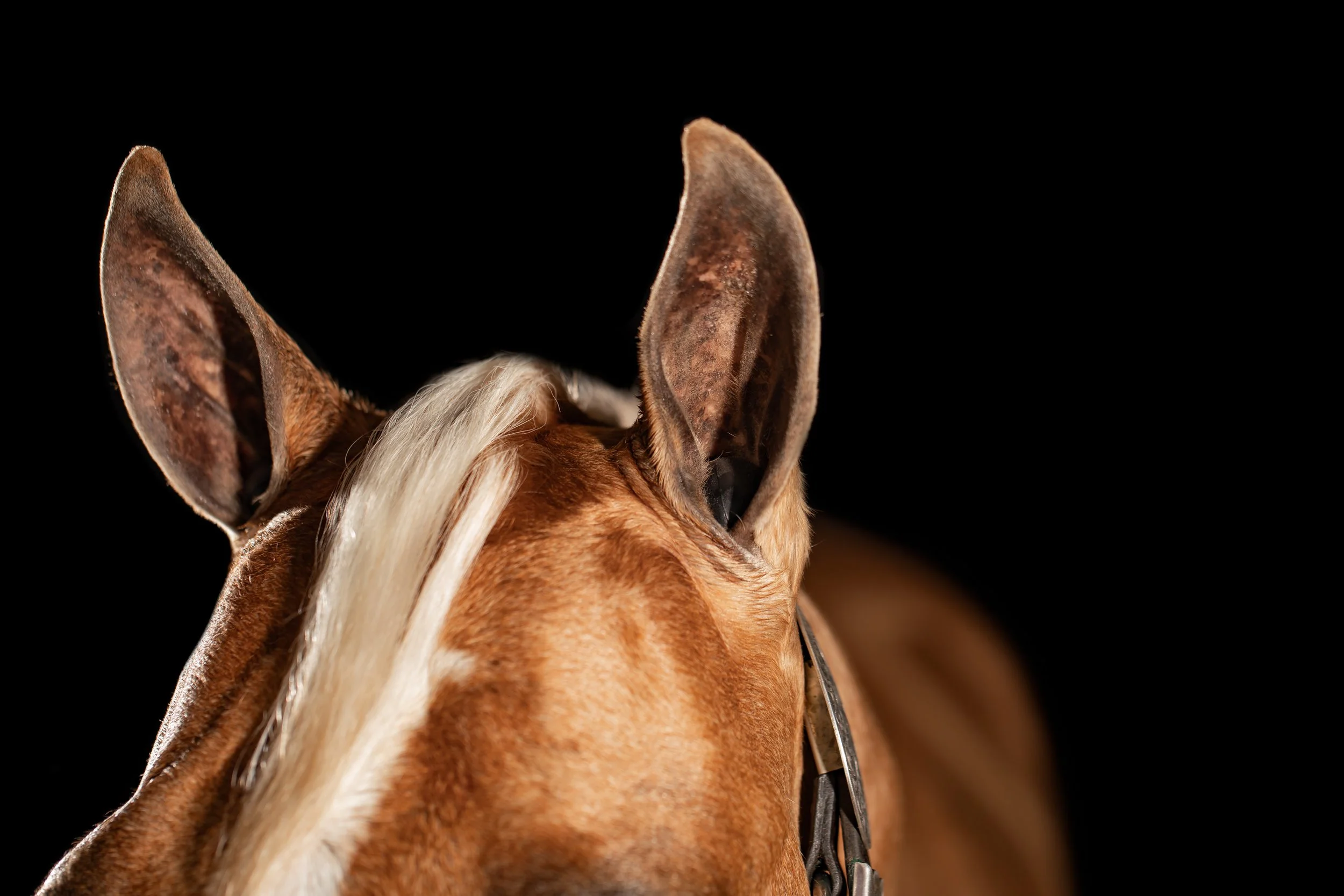
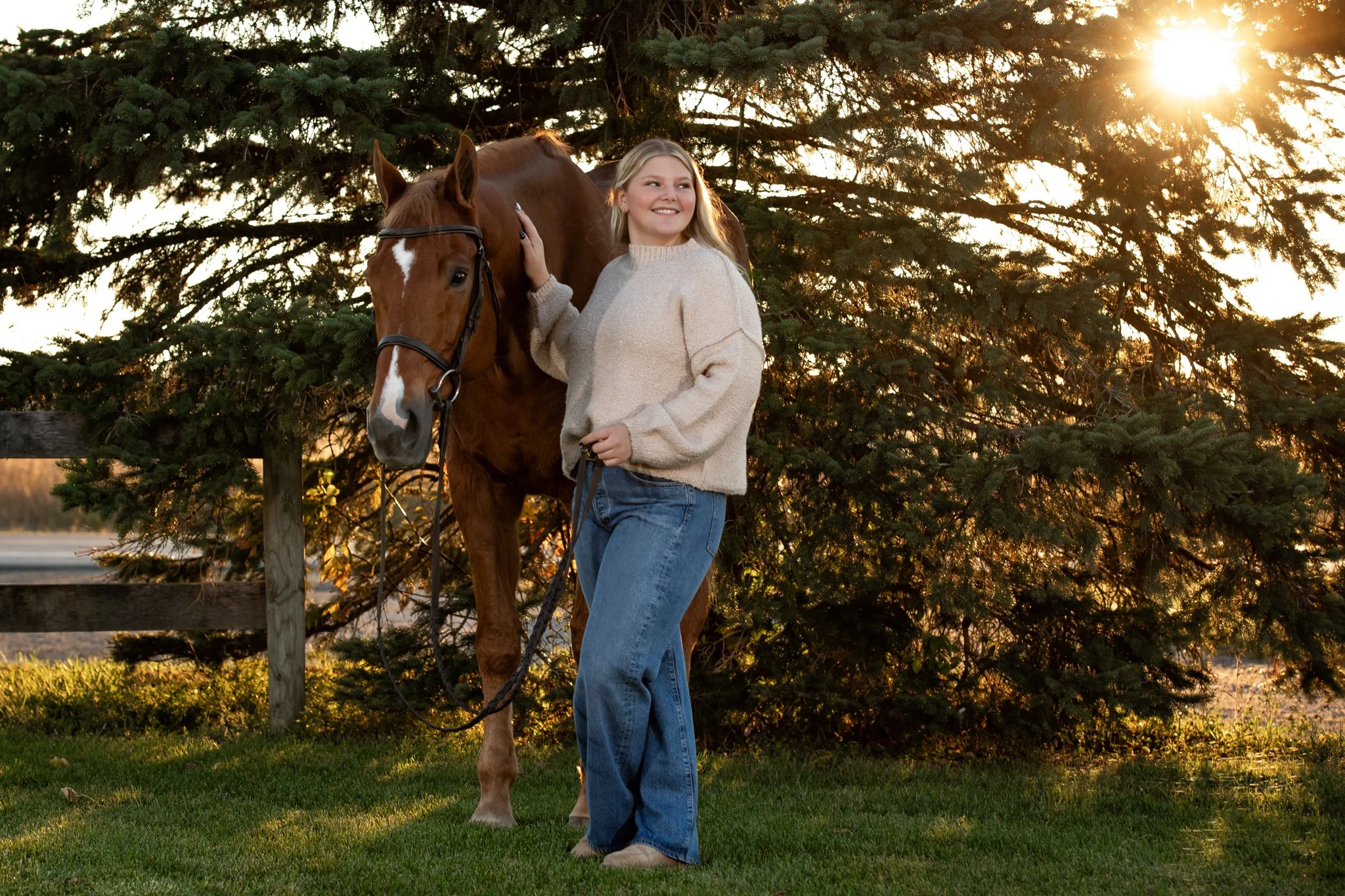
Does it drive anyone slightly insane to see horses featured in high end magazines or advertisements and their ears are just flapping out in the wind? It does me. I am sure someone somewhere would say that they meant to leave the horse’s ears down and out to keep things moody but let’s be honest, they simply did not know forward facing ears are a must have for most horse portraits. But I am not here to talk about high fashion portraits with horses, I am here to share a few of my favorite ways to help get a horse’s ears forward when photographing them. I want to start out by saying I am not the inventor of all of these methods but I have found that some work better than others and why not share with the world?
Sounds
If you’ve ever wondered how photographers get those perfectly alert, forward ears in horse portraits… here’s one of the secrets:
Sound.
When I’m photographing horses during an equine portrait session, I always start with the least stimulating option first. Every horse is different, and part of my job as your equine photographer is reading the horse in front of me. Some horses need almost nothing, others need a little something extra and some absolutely do not appreciate being overstimulated.
With that being said, I encourage to start simple.
A soft cluck, a whistle, a subtle shift in energy. Sometimes that’s all it takes to get those ears pricked forward but if that doesn’t do the trick, we level up gently. You can try something like a duck call or a random unexpected noise that you make with your mouth. Fun fact, I can make a weird duck-like sound that often does wonders for getting those ears forward. This means that I’m not above making ridiculous noises for the sake of your portraits.
If we still need more engagement, grabbing a small rubber pig toy from your local pet store can be incredibly effective. Slowly squeeze it so the horse hears it, then let them see it. That visual and sound combination often sparks curiosity without overwhelming them. And if that still isn’t enough? There are apps with horse noises that can sometimes grab their attention but this is where experience matters.
The key is to start with the least stimulating sound first and carefully analyze your horse’s reaction. In professional horse photography, it’s not about blasting noise until something works. It’s about reading expression, energy, and personality. Some horses will flick an ear with the tiniest sound while others need a little build-up. And sometimes, sounds alone won’t do it which we’ll talk about next.
create Movement
Alright, so the sounds didn’t quite do the job, that’s okay, we have plenty of other methods in our back pocket. Creating movement for your horse to observe is a phenomenal tactic when it’s done correctly and by correctly, I mean we are not trying to spook or scare your horse. During a professional equine portrait session, I use movement strategically to spark curiosity, not fear, there’s a big difference.
I usually start simple.
More often than not, my assistant (and let’s be honest, most of the time it’s my husband Zac) will walk behind me in a subtle zig-zag formation. Nothing dramatic, just enough to catch your horse’s eye. If that doesn’t quite do it, we’ll level up slightly.
Zac might:
Hop lightly in one place
Shift positions
Slowly wave an item in the air
That gentle, controlled movement is often enough to get those ears forward and eyes locked in and at this point, most horses have given us what we need. But occasionally, we need just a bit more engagement, that’s when I might have him jog away from me, jump between a few spots, or lightly toss an item like a brush or even that trusty pig toy up into the air. Notice I said lightly. The goal is curiosity and not adrenaline.
The biggest key here? Understanding horse body language.
As a professional horse photographer, I am constantly reading their ears, eyes, posture, breathing and overall energy shifts. The moment a horse shows signs of stress or overstimulation, we adjust. That’s why this method is best left to someone experienced, movement can elevate a portrait beautifully but only when it’s done safely, calmly, and intentionally because the goal isn’t just forward ears.
Treats
Now this is a step I always evaluate on a case-by-case basis because… cookie monsters. You know exactly what I’m talking about. Your horse hears the sweet symphony of treats rattling around in the container and just like that, they have completely lost their grip on reality. Ears? Gone. Focus? Gone. Manners? Questionable at best.
If that sounds like your horse, it is absolutely okay to skip this step during your horse portrait session.
But for the horses who can handle themselves around treats? This can be a fantastic tool for getting those ears forward in portraits. Grab your horse’s favorite treats and keep them subtle at first. If they seem a little distracted or slightly uninterested, try gently shaking the treat bag once or twice. Often, this method gives us a quick, bright moment with their ears forward, eyes alert and expression engaged. It may only last a millisecond, but when you’re working with a professional equine photographer who is ready and watching for it, that’s all we need.
That split second can turn into the image.
If you’re trying this on your own with a phone, though, that tiny window can be tricky to capture. In that case, you might try:
Letting them see the treat
Allowing them to sniff it
Then walking away with it
That slight anticipation can hold their attention just a little longer and extend that alert expression. The key here, just like with sounds, is reading your horse. Some horses perk up politely and stay engaged while others escalate quickly into full-blown “where are the cookies” mode. And during a professional equine portrait session, we want curiosity and expression… not chaos.
Another Horse
Sometimes our horses form strong bonds at the barn and sometimes they’re just going along for the ride. Either way, bringing another horse into the mix during your equine session can be incredibly helpful for getting those ears forward. Now, I know I’ve said this a lot but this is another method that’s best used with a professional guiding the process to ensure it’s both safe and appropriate for your horse.
If your horse struggles when separated from their buddy, having someone designated to quietly walk the other horse nearby can provide just enough reassurance. Think of it as emotional support, not a distraction.
This can:
Reduce unnecessary stress
Help your horse stay relaxed
Naturally keep those ears forward
And relaxed ears that come forward organically are exactly what we want.
Even if your horse doesn’t deal with separation anxiety, simply having another horse walk past, step out from behind a barn, or move nearby can instantly grab attention. Horses are herd animals, movement from another horse often sparks curiosity even if it only lasts a few seconds. And again, sometimes that’s all we need.
But here’s the important part: If your horse tends to escalate in situations like this (getting anxious, calling out, pacing, or becoming overly reactive) it is completely okay to skip this method.
The goal of your session is never to create frenzy, it’s to create calm, authentic, expressive portraits of you and your horse. This is where understanding body language and truly knowing your horse matters most. A professional horse photography session should feel controlled, safe, and thoughtful, not chaotic.
Patience & Timing
My final tip for getting your horse’s ears forward in a photo is simple, and honestly, sometimes the hardest one to embrace.
Patience.
I know, not flashy, not exciting but it is by far the most powerful tool I use during an equine portrait session. You have to slow down, give yourself time, stay relaxed and let your horse settle in. Yes, forward-facing ears are the goal but wild eyes, flared nostrils, and tension in the face? That’s not the look we’re after.
As we work through sounds, treats, movement, or even using another horse, the key is not to stack everything on top of each other. Overstimulating your horse all at once will almost always backfire. Instead, we pause, we breathe and we wait because it will happen.
The other half of this equation is timing and this is where professional equine photography really comes into play. Horses flick their ears quickly, sometimes it’s a split second between neutral and perfectly forward. Understanding those micro-movements is part of my job. With the use of off-camera flash (which does not bother horses when used properly), I can capture brief expressions in full clarity. But beyond that, I’m constantly watching for the subtle mannerisms that signal what’s about to happen:
A slight shift in focus
A tightening of attention
A flick before the full forward position
That anticipation is everything and yes, patience can feel boring. We live in a world that rushes everything, especially when you’re trying to get “the shot” but when you allow space for timing, or more accurately, when your photographer does, you unlock the most authentic moments.
Sometimes that’s ears forward. Sometimes it’s one ear on you, one ear on the world. Sometimes it’s relaxed, sideways, soft. And those in-between moments are often the most honest. Because getting your horse’s ears up for portraits isn’t really about forcing a pose, it’s about understanding horses, reading energy, and knowing exactly when to press the shutter.
Conclusion
At the end of the day, getting your horse’s ears forward for portraits isn’t about one magic trick. It’s not just the duck call, it’s not just the treat bag, it’s not Zac zig-zagging behind me like a man on a mission. It’s about understanding the horse in front of us.
Every horse is different, some flick an ear at the slightest sound, some need a little curiosity sparked, some need reassurance and some simply need time. That’s the real secret. When you book an equine portrait session, you’re not just hiring someone to click a camera, you’re hiring someone who understands horses, their body language, their moods, their sensitivities, and their subtle shifts in expression.
Forward ears are beautiful. They create that classic, alert, powerful look we all love in horse portraits but the true magic happens when forward ears are paired with a relaxed eye, a soft jaw, and a horse that feels safe in the moment. That’s when the image becomes more than just a photo, it becomes a portrait you’ll hang in your home for decades.
So if you’ve ever stressed about “what if my horse won’t put their ears up?” take a deep breath because that’s my job. And I promise, we’ll get the moment.